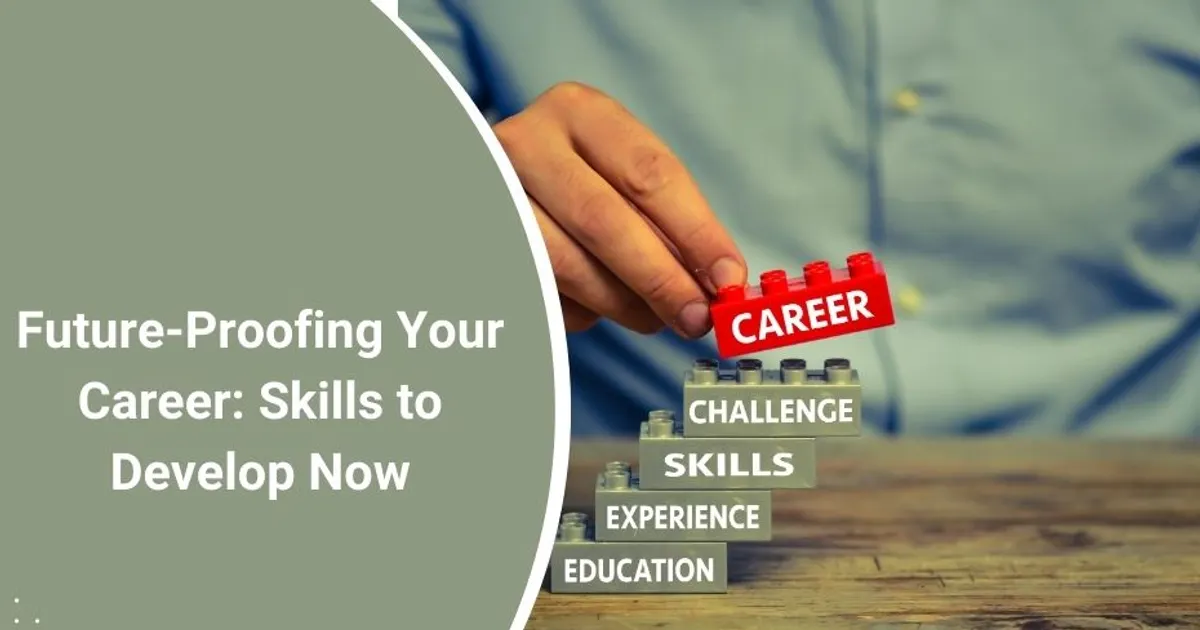
The modern job market is evolving faster than ever, with technology and industry demands reshaping how we work. As someone who has seen the impact of these changes, I can confidently say that staying ahead requires a proactive approach to skill development. Future-proofing your career isn’t just about keeping up; it’s about building a foundation that adapts to new opportunities and challenges. Let’s explore the essential skills you should focus on today to ensure career success tomorrow.
Embrace Digital Literacy
In an increasingly digital world, understanding technology is no longer optional—it’s essential. Digital literacy extends beyond basic computer skills to include proficiency with tools that streamline work processes, analyze data, and enhance communication. Employers value candidates who can confidently navigate software like spreadsheets, project management platforms, and data visualization tools.
For instance, learning how to use customer relationship management (CRM) systems can make you an asset in sales or marketing roles. Similarly, understanding programming basics or data analytics can open doors in fields like tech, finance, or healthcare. Take time to explore courses or tutorials that build your digital competency, as this skill will only become more critical in the future.
Master Critical Thinking and Problem-Solving
Critical thinking is about analyzing situations, identifying patterns, and making informed decisions. These skills are valuable across industries, whether you’re solving operational challenges or devising strategies to drive growth. Employers look for individuals who can approach problems methodically and generate innovative solutions.
One way to sharpen these abilities is by engaging in activities that challenge your thinking, like puzzles, strategic games, or case studies. Additionally, participating in decision-making processes at work or in volunteer roles can help you practice applying these skills in real-life scenarios. Critical thinking ensures you’re prepared to tackle unforeseen challenges with confidence.
Develop Adaptability and Flexibility
The only constant in today’s job market is change. Industries transform, roles evolve, and new technologies emerge. Being adaptable means staying open to change, learning new skills quickly, and adjusting to shifting priorities without hesitation.
For example, during times of organizational restructuring or technological advancements, adaptability ensures you remain relevant. This could mean taking on new responsibilities outside your comfort zone or learning how to use a recently introduced software system. Employers value individuals who view change as an opportunity rather than a setback.
Strengthen Communication Skills
Strong communication skills are indispensable for success. This includes the ability to express ideas clearly, listen actively, and adapt your communication style to different audiences. Effective communication fosters collaboration, minimizes misunderstandings, and helps you build strong professional relationships.
Writing concise emails, delivering presentations, or facilitating meetings are practical ways to hone these skills. Additionally, focusing on non-verbal cues, such as maintaining eye contact and using confident body language, enhances your interactions. Communication is the glue that holds teams together and ensures ideas are shared effectively.
Build Emotional Intelligence
Emotional intelligence (EI) is the ability to recognize, understand, and manage your emotions while empathizing with others. In workplaces where collaboration and teamwork are emphasized, EI plays a vital role. It helps in navigating conflicts, building trust, and fostering a positive work environment.
To develop EI, start by reflecting on your emotions and understanding how they influence your decisions. Practice empathy by actively considering others’ perspectives during conversations. Being emotionally intelligent doesn’t just make you a better colleague; it also positions you as a strong leader who values relationships and collaboration.
Cultivate Leadership and Teamwork Skills
Leadership isn’t confined to management roles. Whether you’re heading a team project or mentoring a colleague, demonstrating leadership qualities is invaluable. Employers seek individuals who can inspire, guide, and collaborate effectively, regardless of their title.
Teamwork is equally important. The ability to work harmoniously with others, contribute to group goals, and navigate conflicts is a skill that employers prioritize. Join team-based activities, whether at work or through community organizations, to practice balancing leadership and teamwork. These experiences will prepare you to handle responsibilities in collaborative environments.
Commit to Continuous Learning
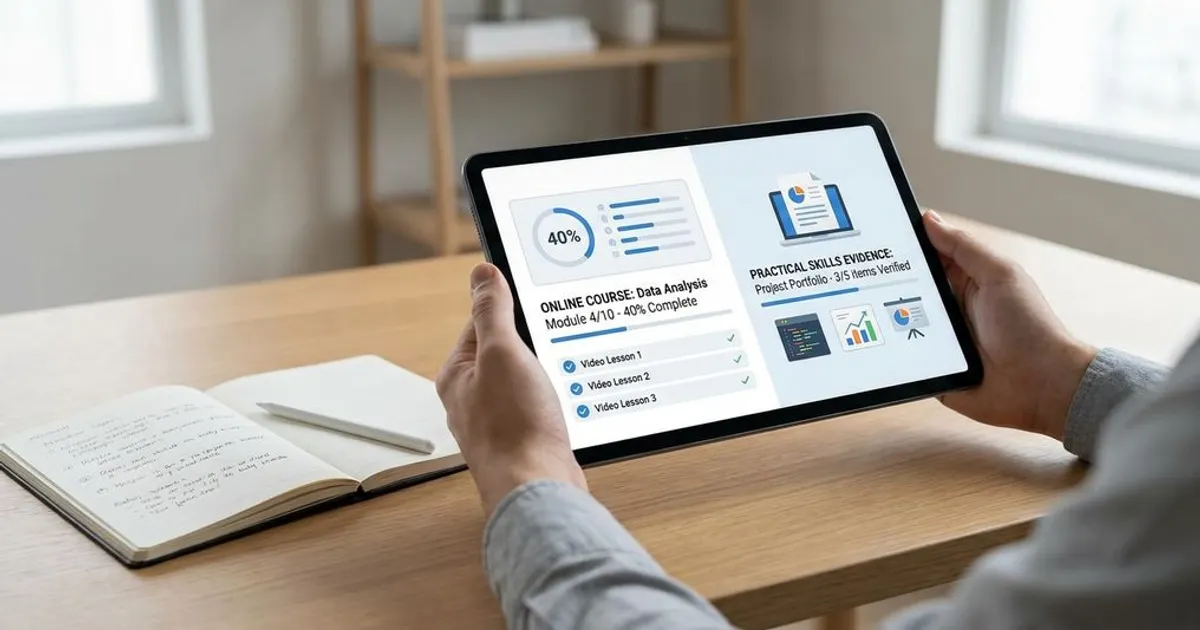
The most successful professionals are lifelong learners. With industries evolving, staying informed about trends and advancements is crucial for career growth. Continuous learning can take many forms, from enrolling in online courses and attending workshops to seeking mentorship or exploring self-directed study.
For example, if you’re in marketing, staying updated on digital advertising trends ensures you remain competitive. If you’re in engineering, learning about emerging technologies like 3D printing or AI could open new opportunities. Set aside time regularly to invest in your professional development, as this demonstrates commitment to growth.
Focus on Time Management and Productivity
Effective time management allows you to prioritize tasks, meet deadlines, and maintain a work-life balance. Productivity tools like task management apps or time-blocking methods can help streamline your day. Employers value individuals who can manage their workload efficiently and contribute to organizational goals without constant supervision.
To improve time management, start by setting clear priorities and breaking large tasks into smaller, manageable steps. Review your schedule regularly to identify areas for improvement. This skill boosts your output and reduces stress, enabling you to focus on long-term objectives.
Understand Data and Analytics
Data drives decision-making in almost every industry today. Understanding how to interpret and use data effectively gives you a significant advantage. Even if you’re not in a technical field, basic knowledge of data analysis and visualization tools can enhance your problem-solving abilities.
For instance, marketers can use data to evaluate campaign performance, while HR professionals might analyze employee feedback to improve workplace culture. Explore introductory courses on platforms like Excel, Tableau, or Google Analytics to build your confidence with data. This skill is increasingly critical in an information-driven world.
Practice Networking and Relationship Building
Networking is a skill that often goes overlooked, but it’s essential for career development. Building genuine relationships with colleagues, mentors, and industry professionals can lead to opportunities, insights, and support throughout your career.
To improve your networking skills, attend industry events, join professional associations, or connect with peers on platforms like LinkedIn. Focus on creating meaningful interactions rather than simply expanding your contact list. Strong networks open doors to opportunities you might not have encountered otherwise.
Essential Skills to Future-Proof Your Career
- Develop digital literacy for technological proficiency.
- Strengthen critical thinking and problem-solving abilities.
- Cultivate adaptability and embrace change.
- Build strong communication and emotional intelligence.
- Commit to continuous learning and professional growth.
In Conclusion
Future-proofing your career requires a proactive approach to skill development. By focusing on areas like digital literacy, adaptability, communication, and continuous learning, you can position yourself for success in any industry. The job market will continue to evolve, but with these skills, you’ll have the tools to navigate change confidently and seize new opportunities.
The time to start is now. Invest in your growth, embrace lifelong learning, and commit to building a skill set that stands the test of time. Your future self will thank you for the effort you put in today.