You pitch your startup idea as a student entrepreneur by defining the problem, validating your concept, tailoring to your audience, telling a story, staying concise, using visuals, and practicing through feedback.
Pitching as a student entrepreneur requires precision, credibility, and confidence. This article gives you a practical, step-by-step process for crafting a pitch that not only earns attention but also builds trust with investors, mentors, and judges. You’ll learn how to validate your idea, package your message, and deliver it with impact.
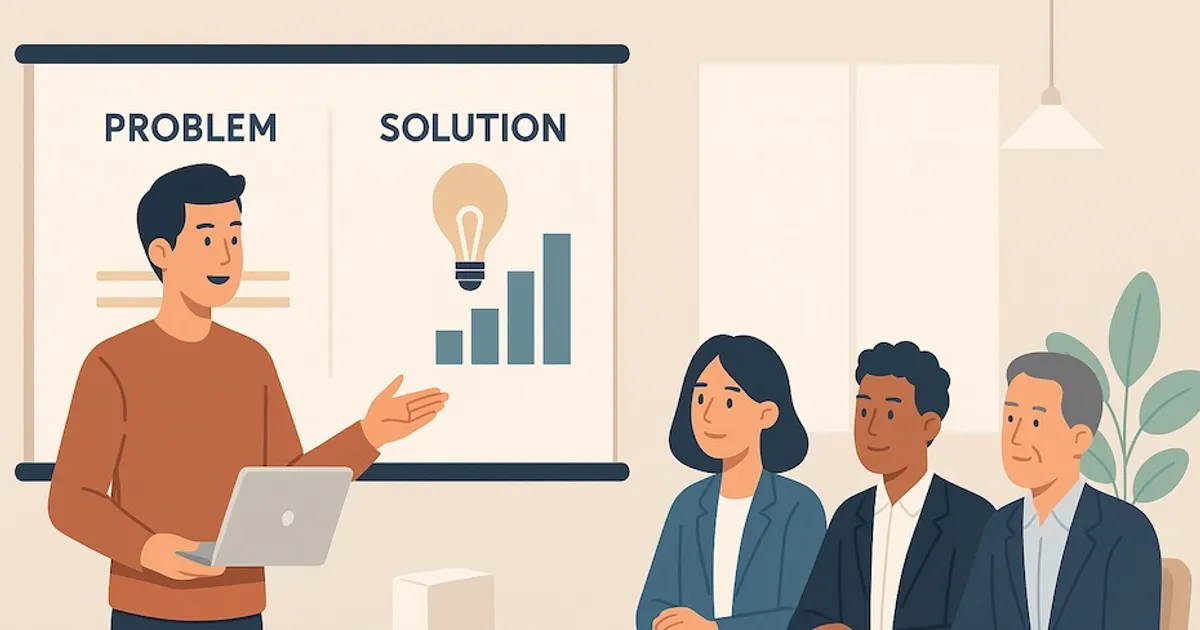
Define the Problem with Clarity
The first step in pitching is establishing the problem your startup solves. If the audience doesn’t see a problem, they won’t value your solution.
Summarize the problem in two sentences that highlight both urgency and importance. For example, instead of saying “students struggle with finances,” you could frame it as: “70% of students report financial stress, yet few tools help them manage income, expenses, and savings in real time.” Numbers anchor your case.
Clarity also shows you’ve researched the pain point. Investors and judges will immediately connect with a problem they recognize as widespread and costly. Your opening needs to make them lean forward, not tune out.
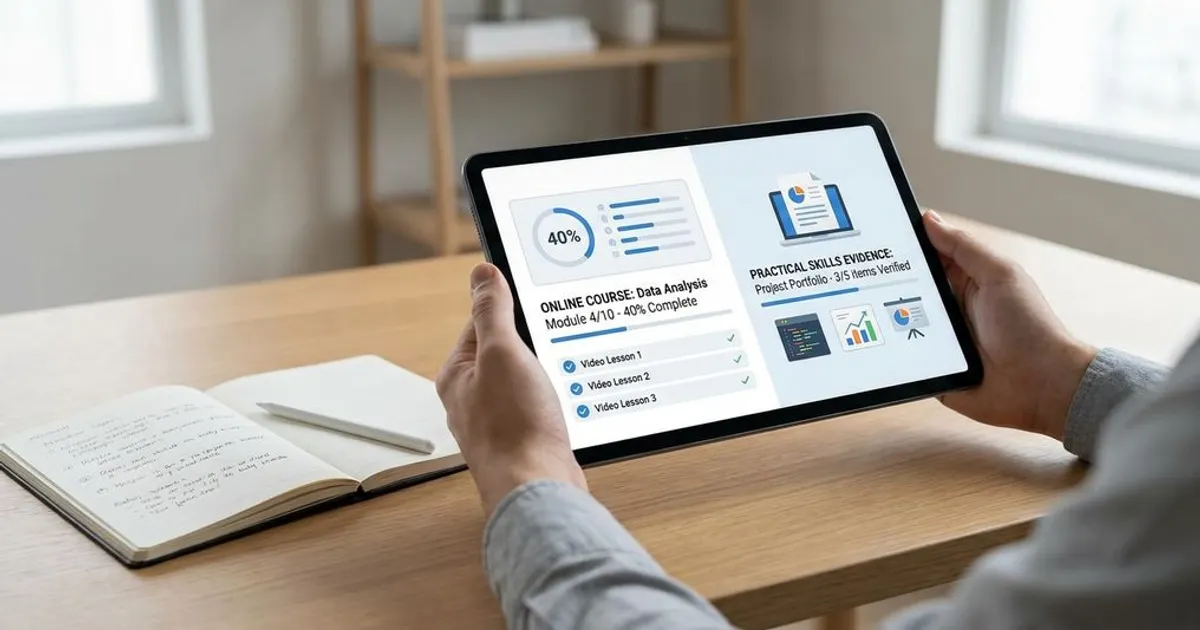
Validate Your Idea with Real Feedback
Ideas without validation sound like guesses. You gain credibility by showing you’ve tested your concept with real users.
Run quick surveys, interviews, or pilot tests in your campus community. Even 30–50 responses from students or professors demonstrate demand. Share specific results: “78% of students we surveyed said they would use this tool weekly.” That shifts your pitch from theory to evidence.
Validation also gives you the chance to refine your idea before presenting. If early feedback reveals friction, you can pivot your messaging or product design to better match demand. That adaptability is something investors respect in early founders.
Tailor Your Pitch to the Audience
Different audiences listen for different signals. You need to adapt your pitch to highlight what matters most.
If you’re pitching to investors, emphasize market size, revenue potential, and competitive edge. For professors or competitions, stress clarity, innovation, and execution. For mentors, focus on your personal growth as a founder and how their guidance could help you succeed.
Never recycle one pitch for all settings. A three-slide investor pitch should not look identical to a 10-minute competition presentation. Tailoring proves you respect your audience’s priorities and know how to meet them where they are.
Tell a Story, Not Just the Facts
Facts establish credibility, but stories build connection. Weaving your personal motivation into the pitch makes your idea stick.
Explain why you started this venture. Maybe you struggled with the very problem your startup solves. Or you noticed inefficiencies in an area where your peers consistently get frustrated. Share that story in one short paragraph—long enough to feel real, short enough to stay sharp.
This is where your authenticity matters most. Judges and investors often support a founder as much as the product. A compelling personal story makes them remember you when the pitches start blending together.
Keep It Short and Impactful
Your time is limited, especially in competitions. Most student entrepreneurs get 3–5 minutes to deliver their pitch. You need to cut to the essentials.
Follow the “Rocket Pitch” style: 3 slides in 3 minutes. Those slides should cover (1) problem and solution, (2) market and traction, and (3) team and ask. Anything beyond that risks losing attention.
Conciseness shows discipline. If you ramble, it signals lack of preparation. A sharp, focused pitch communicates respect for your audience’s time and increases the likelihood they’ll engage afterward with questions.
Use Visuals and Prototypes to Make It Real
Words alone don’t always stick. Visuals, mockups, or prototypes make your idea tangible.
Show a flow diagram of how your product works. Display screenshots if you’ve built an MVP. Bring a physical prototype if it exists. Even a simple wireframe or sketch demonstrates progress. Visuals reduce abstraction and help your audience grasp the value of your solution instantly.
Prototypes also show you’ve moved beyond the “idea” stage into execution. That’s powerful for investors—they want to know you can build, not just dream.
Structure Your Deck for Maximum Impact
Your deck should tell the story in a logical sequence:
- Problem and who faces it
- Your solution and why it’s better
- Market opportunity with real numbers
- Traction and validation evidence
- Business model and revenue plan
- Team and execution capability
- The ask (funding, mentorship, partnership, etc.)
Each slide should be visually clean, with minimal text and strong visuals. If you can’t explain it verbally in 20 seconds, cut it or simplify it. The deck supports your delivery—it’s not a script.
Practice Through Competitions and Mentorship
Pitch competitions and mentorship programs are the fastest ways to improve. They give you live experience and real feedback.
Enter student-focused competitions like ePitch or Blue Ocean. These formats train you to speak under time pressure, defend your idea in Q&A, and learn from other founders. Mentorship programs, whether formal accelerators or informal campus initiatives, expose you to seasoned professionals who can sharpen your delivery.
Each repetition polishes your skills. By the fifth or sixth live pitch, you’ll find yourself calmer, clearer, and more persuasive. Practice is the single biggest differentiator between nervous first-time presenters and confident student entrepreneurs who win backing.
Key Elements to Include in Every Student Pitch
- Define the problem in two sharp sentences.
- Present validation data to prove demand.
- Adapt delivery to investor, judge, or mentor.
- Share a personal story for authenticity.
- Keep slides minimal and delivery concise.
- Show visuals or prototypes to make it real.
- Practice through competitions for polish.
What makes a strong student startup pitch?
A strong pitch is concise, problem-driven, backed by validation, tailored to the audience, delivered with a personal story, and supported by visuals or prototypes.
In Conclusion
When you pitch as a student entrepreneur, your success depends on clarity, credibility, and confidence. By defining the problem sharply, validating your solution, tailoring your message, telling your story, staying concise, using visuals, and practicing through competitions, you elevate your pitch from an idea to a credible investment opportunity.