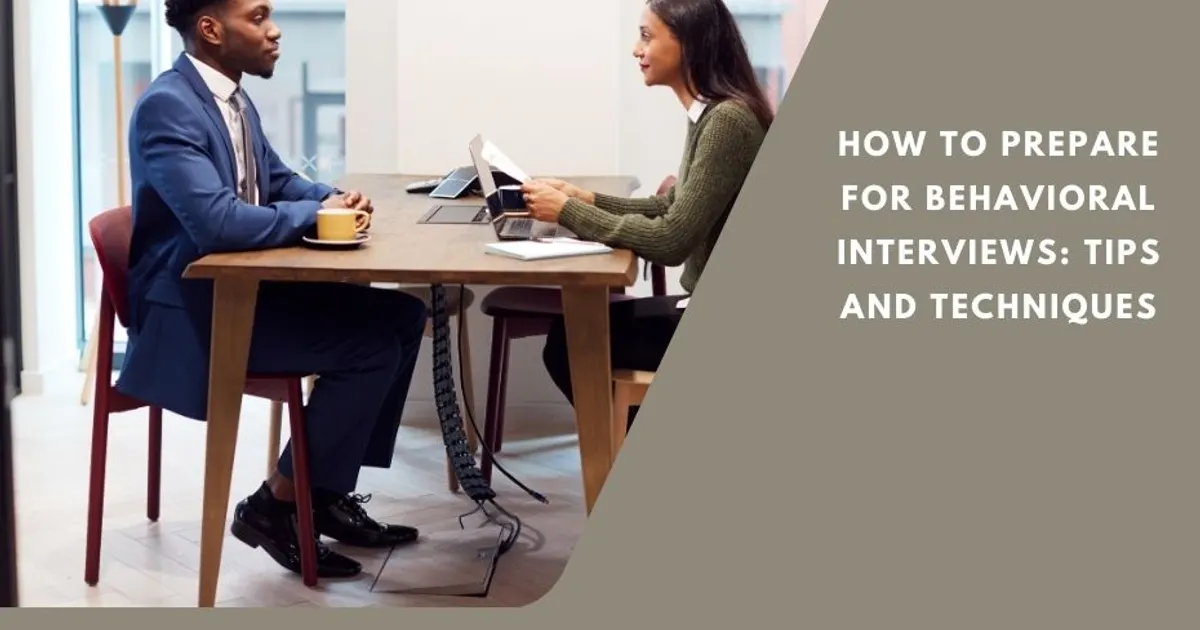
If you’re preparing for job interviews, there’s a good chance you’ll be asked to answer behavioral questions. These aren’t trick questions—they’re designed to give hiring managers a clear view of how you’ve responded to real-life work situations. They want to know how you handle pressure, solve problems, and interact with others, all based on your past actions. The good news is that you can prepare for these questions in a very structured way. In this article, you’ll get practical guidance on how to recognize behavioral questions, organize your answers using proven methods, reflect on your own experiences, and build confidence before the big day.
What Behavioral Interviews Really Aim to Find Out
Behavioral interviews are based on one simple idea: your past behavior is the best predictor of your future behavior. That means employers are looking for specific examples from your past that show how you handled situations at work. They’re trying to figure out how you think, how you interact with others, and how you overcome obstacles.
You’ll often hear questions that begin with something like, “Tell me about a time when…” or “Can you give me an example of…” These aren’t vague hypotheticals. They’re looking for actual events from your work history. Whether it’s about resolving conflict, meeting tight deadlines, or adapting to changes, you need to be ready with stories that show who you are when it counts.
If you’re thinking, “I don’t have the perfect story for every possible question,” that’s completely normal. You’re not expected to have a textbook answer. You just need to be honest, clear, and able to walk through what happened and how you handled it.
Use the STAR Method to Organize Your Stories
When you’re in the middle of an interview and nerves kick in, having a structure to fall back on helps a lot. That’s where the STAR method comes in. It’s simple and effective.
Here’s how it works:
- Situation – Start with a brief setup. What was going on?
- Task – What was your responsibility? What needed to get done?
- Action – What did you do? Be specific here.
- Result – What happened because of your actions? Ideally, you can quantify it or explain how it helped the team.
Let’s say the interviewer asks, “Tell me about a time you had to handle a tough deadline.” You could answer like this: “We had a project due in five days that normally takes two weeks (situation). I was the lead designer (task), so I broke the work into pieces, pulled in a junior designer for help, and set daily check-ins (action). We submitted the final designs one hour before the deadline, and the client approved them without changes (result).”
Stick to this structure, and your answers will sound focused and organized without being rehearsed.
Study the Questions You’re Likely to Hear
Behavioral questions usually revolve around a few key themes: communication, conflict resolution, teamwork, leadership, adaptability, and problem-solving. That narrows your prep work quite a bit.
Here are some common ones to get you started:
- “Tell me about a time when you had to manage a conflict with a coworker.”
- “Describe a situation where you failed. What did you learn?”
- “Give an example of when you showed leadership without being in a leadership role.”
- “Tell me about a time when you had to quickly learn something new.”
If you take 30 minutes to jot down a few short STAR stories tied to those themes, you’ll walk into the interview ready to cover a wide range of questions.
Think About Your Own Experiences in Advance
You don’t want to be drawing blanks during an interview. Spend some time reflecting on your past roles and think about the times you made a real difference. That might include stepping up during a project crunch, navigating a difficult customer, helping a teammate who was struggling, or catching a mistake before it caused problems.
You don’t have to stick strictly to professional work, either. Internships, volunteer work, or school projects count too, especially if you’re early in your career. The key is that the story shows how you think and act.
Write down five to seven situations you’re proud of and build a quick STAR outline for each. When the interviewer throws a question at you, you can pull from that list, even if it’s not a perfect match.
Practice Talking Through Your Answers
There’s a big difference between knowing your stories in your head and being able to talk them through smoothly. Practicing aloud helps a lot. You can do this in front of a mirror, record yourself, or ask a friend to listen and give you feedback.
Make sure you’re not rambling or spending too much time on background. Focus on clarity. You want to be able to walk through your STAR story in about two minutes. If you go on longer than that, you risk losing the interviewer’s attention.
Try to avoid sounding robotic. These aren’t speeches—they’re conversations. Stay natural, but make sure your key points come through. If it helps, think of it like storytelling with a professional purpose.
Keep Your Communication Tight and Confident
It’s not just about what you say, but how you say it. During behavioral interviews, hiring managers are watching how you explain things, how clearly you communicate, and how you carry yourself.
Work on keeping your tone friendly and professional. Avoid overcomplicating your answers or using jargon. Stick to plain language. Smile when it makes sense, keep eye contact (or look at the camera if it’s virtual), and sit up straight. These details help you appear more confident and approachable, even if you’re nervous inside.
Avoid filler words like “um,” “like,” or “you know.” It’s okay to pause and collect your thoughts—it shows poise, not weakness.
Manage the Nerves Before and During the Interview
Even the most seasoned professionals feel nervous before interviews. The trick is managing that anxiety so it doesn’t derail your performance.
Start by making sure your prep work is done. If you’ve already practiced your answers, reviewed the job description, and researched the company, you’ve done most of the heavy lifting. That alone should take the edge off.
Use some simple breathing techniques before the interview starts—slow, deep breaths can help calm your nervous system. If it’s a video call, log in a few minutes early to get comfortable.
During the interview, don’t panic if you get a question that throws you. It’s okay to ask for a moment to think. You can say something like, “That’s a good question—let me think for a second.” That shows thoughtfulness, not weakness.
Key Techniques for Behavioral Interview Prep
- Use the STAR method to structure your answers
- Practice aloud to improve delivery
- Prepare 5–7 examples of past experiences
- Focus on clear, confident communication
- Anticipate common question themes
In Conclusion
Getting ready for behavioral interviews doesn’t have to be overwhelming. When you understand the logic behind the questions and come in with well-thought-out examples, you’re already ahead. Use the STAR method, practice enough to feel natural, and focus on keeping your responses clear and honest. You’ll show the interviewer not just what you’ve done—but how you think, work, and solve problems. That’s what makes the difference between a good interview and a great one.
Check out more of my insights and career strategies on my Strikingly, where I explore leadership, personal development, and growth tactics for professionals navigating today’s fast-paced job market.