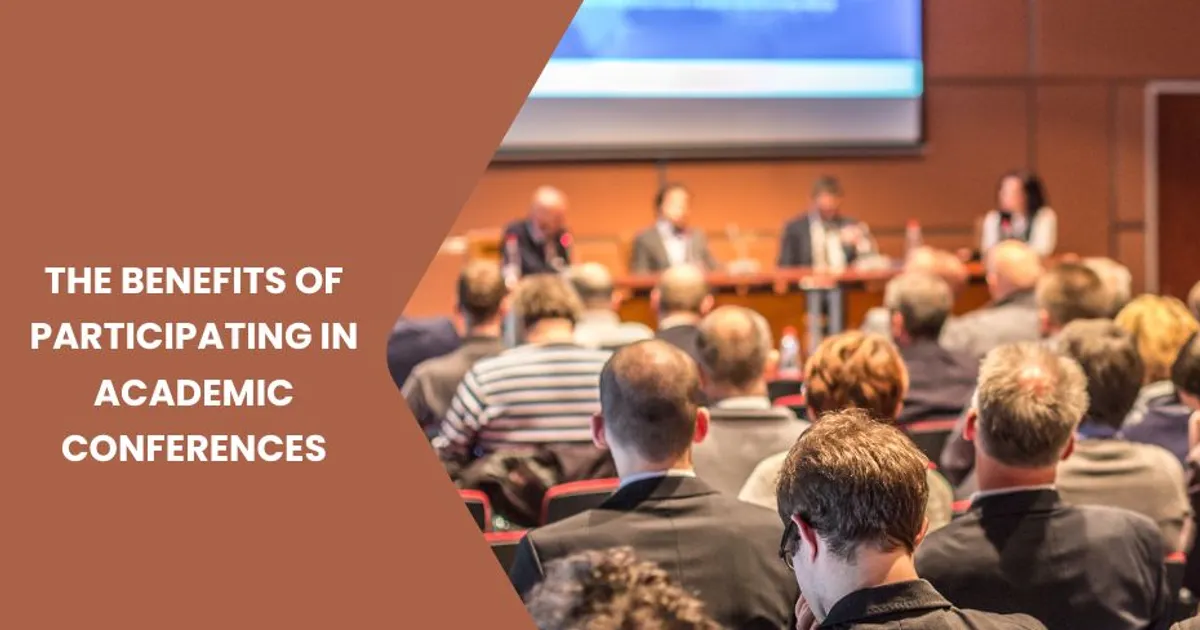
Attending academic conferences has been one of the most rewarding experiences in my professional journey. Over the years, I’ve seen firsthand how these events shape careers, open doors to collaborations, and provide an unmatched environment for learning. Conferences are more than just gatherings—they are platforms for exchanging knowledge, building relationships, and improving skills that extend far beyond the academic setting. Whether presenting research, networking with experts, or learning about the latest developments in a field, the benefits of active participation are undeniable.
Expanding Knowledge and Staying Updated
One of the biggest advantages of attending academic conferences is the exposure to cutting-edge research. I’ve sat in on sessions where researchers presented findings that hadn’t yet been published, offering a glimpse into the direction a field was heading. This kind of real-time knowledge is invaluable, especially for those working on research that requires awareness of the latest advancements.
Beyond presentations, conferences also provide panel discussions and workshops that offer practical insights. I’ve attended sessions where experts debated key issues, helping attendees refine their understanding of complex topics. Engaging in these discussions allows for a deeper appreciation of how different methodologies and perspectives shape research outcomes.
Building a Strong Professional Network
Some of the most valuable connections I’ve made in my career have come from academic conferences. Unlike emails or social media exchanges, in-person interactions create opportunities for deeper engagement. I’ve had casual hallway conversations that turned into research collaborations and introductions at networking events that led to invitations for guest lectures.
Establishing relationships with researchers and professionals at these events creates a support system that extends beyond the conference itself. I’ve found that staying in touch with peers and mentors through follow-up emails or LinkedIn messages keeps professional networks active and can lead to unexpected opportunities.
Enhancing Presentation and Public Speaking Skills
Presenting research at a conference is one of the best ways to build confidence in public speaking. I remember my first conference presentation—it was nerve-wracking, but it pushed me to refine how I communicated my ideas. Unlike writing a research paper, presenting requires clarity, engagement, and the ability to answer questions on the spot.
Each presentation I’ve given has strengthened my ability to explain complex concepts concisely. It’s also helped me anticipate the kinds of questions and critiques I might face when submitting research for publication. Receiving immediate feedback from an audience of experts provides insights that can significantly improve a study before it goes through formal peer review.
Gaining Visibility and Recognition
Getting recognized in an academic field takes time, but conferences speed up the process. I’ve met senior researchers who later referenced my work because they attended one of my presentations. Standing in front of an audience and discussing research gives credibility and increases visibility among peers.
Beyond formal presentations, participating in discussions and asking insightful questions during sessions also builds recognition. People remember those who contribute meaningfully to academic conversations. Taking part in panel discussions or moderating a session further solidifies credibility and positions individuals as active contributors to their field.
Discovering Funding and Publication Opportunities
Many conferences attract representatives from funding agencies, academic journals, and research organizations. Engaging with them provides insights into what they look for in proposals and submissions. I’ve had conversations with journal editors at conferences that gave me a clearer understanding of what makes a paper stand out.
Some conferences also have dedicated sessions for researchers looking for funding opportunities. Attending these sessions has helped me identify grants and fellowships that weren’t widely advertised. Making direct connections with funding representatives has also been beneficial when applying for research support.
Receiving Constructive Feedback to Strengthen Research
One of the most valuable aspects of conferences is the immediate feedback from experts. Unlike written peer reviews, which can be delayed and formal, conference discussions provide real-time reactions and questions that challenge assumptions.
I’ve had sessions where audience members pointed out overlooked angles or suggested alternative approaches that significantly improved my research. Engaging with this kind of feedback early in a study’s development makes the final work stronger and more refined before submission to journals or funding bodies.
Experiencing Different Academic and Cultural Environments
Attending conferences in different locations has provided exposure to diverse academic cultures and research approaches. I’ve interacted with scholars from various backgrounds, each bringing unique perspectives that have influenced how I approach research questions.
Traveling for conferences also offers an opportunity to experience different educational systems and institutional environments. Some of the best insights I’ve gained into international research collaborations have come from conversations at conferences held abroad. Seeing how different institutions prioritize research and engage with industry partners has broadened my understanding of academic and professional opportunities.
Key Benefits of Attending Academic Conferences
- Gain access to the latest research and methodologies.
- Build strong professional connections that lead to collaborations.
- Improve presentation and public speaking skills.
- Increase visibility and credibility within a research community.
- Discover funding and publication opportunities.
- Receive valuable feedback to refine research.
- Experience new academic and cultural environments.
In Conclusion
Participating in academic conferences has been one of the most beneficial aspects of my career. From expanding knowledge to building connections and improving presentation skills, these events offer opportunities that are difficult to replicate elsewhere. Engaging actively—whether through presenting, networking, or contributing to discussions—makes the experience even more valuable. For those committed to academic and professional growth, attending conferences is an investment that pays off in both knowledge and opportunities.
Academic conferences are invaluable for expanding knowledge, networking, and advancing careers. Explore more insights on Medium.