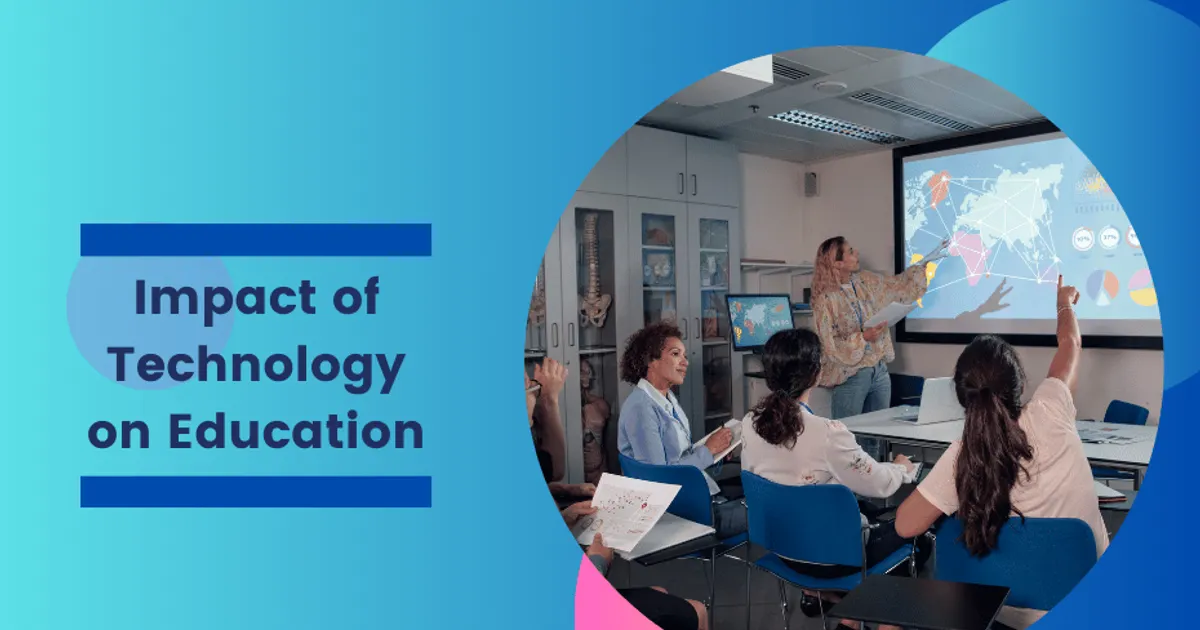
How Is Technology Transforming Education and Career Choices?
The rapid advancement of technology is profoundly impacting education and career choices. From the integration of artificial intelligence (AI) in classrooms to the increasing importance of digital skills in the job market, technology is reshaping how students learn and prepare for their future careers. This article explores the various ways technology influences education and career choices, providing insights into both opportunities and challenges.
The Role of Technology in Modern Education
Technology has become an integral part of modern education, offering new ways to enhance learning and teaching. The integration of digital tools in classrooms has transformed traditional teaching methods, making education more interactive and accessible.
One significant impact of technology is the use of AI to automate tasks like grading and lesson planning, which frees up teachers to focus on more personalized instruction and mentoring. AI-powered tools can provide real-time feedback and adaptive learning experiences tailored to individual student needs, enhancing learning outcomes and engagement.
Moreover, immersive technologies such as virtual reality (VR) and augmented reality (AR) are creating new learning environments. These technologies allow students to explore complex subjects through interactive simulations, making abstract concepts more tangible and engaging. For example, virtual field trips can provide students with immersive experiences of historical sites or natural environments, enhancing their understanding and retention of the material.
Enhancing Accessibility and Inclusion
Technology also plays a crucial role in improving accessibility and inclusion in education. Digital platforms and tools can accommodate diverse learning needs, providing personalized learning experiences for students with disabilities or different learning styles.
For instance, AI can help create more accessible content for students with visual or hearing impairments by offering real-time transcriptions and translations. Online learning platforms can also provide flexible learning schedules, enabling students who may not fit into traditional classroom settings to access quality education.
Additionally, technology can bridge educational gaps in underserved and remote areas. E-learning platforms and digital resources can deliver high-quality educational content to students regardless of their geographical location, promoting educational equity and inclusion.
Preparing Students for the Future Job Market
The integration of technology in education is not only enhancing learning but also preparing students for the future job market. As the demand for digital skills continues to grow, educational institutions are increasingly focusing on equipping students with the skills needed to thrive in a technology-driven world.
STEM (Science, Technology, Engineering, and Mathematics) education is particularly emphasized, given its relevance to many high-demand careers. Programs that promote coding, robotics, and data analysis help students develop critical skills that are essential for future employment opportunities. Additionally, exposure to technology through educational initiatives can inspire students to pursue careers in tech-related fields.
The rise of EdTech platforms also plays a pivotal role in workforce development. These platforms offer courses and certifications that enable individuals to upskill and reskill, addressing the evolving demands of the job market. With automation and AI expected to impact nearly a billion jobs globally within the next decade, continuous learning and adaptability are crucial for career success.
Impact on Career Choices and Opportunities
Technology is reshaping career choices and opportunities, influencing the types of jobs available and the skills required to perform them. The increasing prevalence of digital technologies in various industries means that proficiency in technology is becoming a prerequisite for many professions.
For example, careers in AI, cybersecurity, and data science are in high demand due to the growing reliance on digital systems and data-driven decision-making. Additionally, the gig economy and remote work opportunities have expanded, offering flexible career paths that leverage digital platforms and tools.
However, the integration of technology also presents challenges. As technology automates routine tasks, there is a growing need for skills that cannot be easily replicated by machines, such as critical thinking, creativity, and emotional intelligence. This shift necessitates a rethinking of educational curricula to ensure that students are prepared for the dynamic and evolving job market.
Addressing Privacy and Ethical Concerns
The widespread use of technology in education raises important privacy and ethical concerns. The collection and analysis of student data, while beneficial for personalized learning, also pose risks related to data security and privacy.
Educational institutions and technology providers must implement robust data protection measures to safeguard student information. Clear guidelines and regulations are needed to ensure that data is used ethically and transparently, respecting the privacy rights of students.
Additionally, educators must teach students to critically evaluate the ethical implications of technology. Understanding the potential biases in AI systems and the responsible use of digital tools is crucial for fostering a generation of ethical and informed technology users.
Fostering Lifelong Learning and Adaptability
In a rapidly changing world, the ability to learn continuously and adapt to new technologies is more important than ever. Educational systems must emphasize lifelong learning and provide opportunities for continuous skill development.
Digital platforms offer flexible learning solutions that cater to learners of all ages, enabling them to acquire new skills and knowledge throughout their lives. This flexibility is particularly important for professionals looking to stay relevant in their careers or pivot to new fields.
Moreover, fostering a growth mindset and resilience in students can help them navigate the uncertainties of the future job market. Encouraging curiosity, experimentation, and adaptability will equip students with the tools they need to succeed in a technology-driven world.
Embracing the Future of Education and Work
The impact of technology on education and career choices is profound and multifaceted. While technology offers exciting opportunities to enhance learning and prepare students for the future job market, it also presents challenges that must be addressed. By embracing the potential of technology, fostering ethical and critical thinking, and promoting lifelong learning, we can create an educational system that empowers students to thrive in a rapidly evolving world.