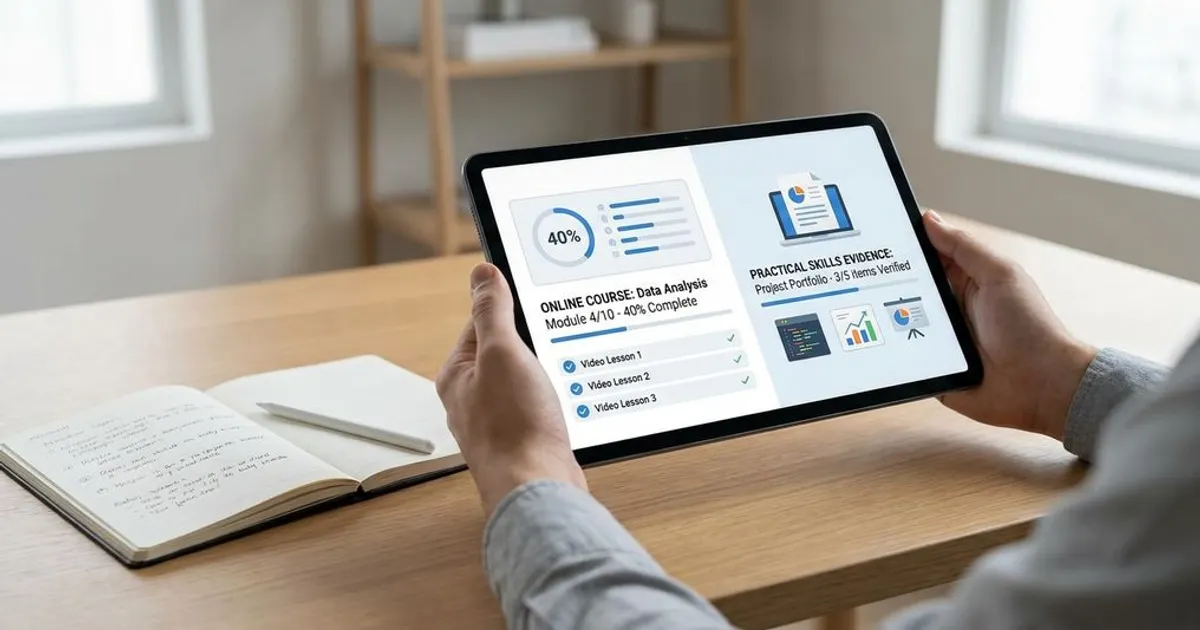
If you’re navigating today’s workforce, you’ve probably realized that digital literacy isn’t just a bonus anymore—it’s a baseline expectation. From managing communication to protecting data and staying productive, being tech-savvy directly impacts your performance and future opportunities. In this article, you’ll get a full picture of why digital literacy matters, how it affects your day-to-day work, and what you can do to sharpen your skills and stay ahead in a workplace that depends on digital efficiency.
Digital Literacy: What It Really Means for You
Digital literacy goes beyond knowing how to turn on a computer or use social media. It’s your ability to understand and effectively use digital tools, systems, and platforms in a work setting. This includes using collaboration software, managing cloud storage, creating digital content, troubleshooting basic tech issues, and understanding how to stay safe online.
You need to think of it as an essential part of your professional toolkit. Employers don’t want someone who can “get by” on a computer—they’re looking for people who can use digital tools to improve workflows, solve problems, and communicate clearly. When you’re digitally literate, you’re not just working harder—you’re working smarter.
How Digital Literacy Affects Your Job Performance
Let’s break this down: your daily responsibilities, regardless of industry, likely involve technology. You might be scheduling meetings through calendar apps, using spreadsheets to track progress, or collaborating in real-time on cloud-based documents. Without digital fluency, each of these tasks becomes a hurdle. With it, you’re making decisions faster, sharing ideas better, and showing initiative.
Digital tools speed up your work—but only if you know how to use them well. When you can automate repetitive tasks, organize digital files efficiently, and navigate new platforms without a steep learning curve, you free up your time to focus on higher-level responsibilities. That’s how you stand out.
In a workplace that rewards efficiency, knowing your way around technology directly influences how productive and reliable you seem. Your digital skills become part of your personal brand.
Why Communication Relies on Digital Know-How
Miscommunication costs time and causes friction. A major part of being digitally literate is knowing how to use communication tools effectively. Whether it’s email, Slack, Microsoft Teams, or video conferencing software, your ability to communicate depends on how well you use the platforms your company relies on.
You don’t want to be the person who misses calendar invites or sends poorly formatted updates that confuse your team. You want to be clear, concise, and professional—especially when everything is documented and shared online. Digital literacy helps you write better emails, structure your updates clearly, and use the appropriate channels to reach the right people.
It’s not just about writing either. You also need to interpret digital communication accurately. Knowing how to read the tone of a message, track email threads, or manage notifications helps you stay in sync with your team and avoid unnecessary back-and-forth.
Cybersecurity Is Your Responsibility Too
You might think cybersecurity is the IT department’s job. It’s not. Every person in the company plays a role in protecting data. Clicking a suspicious link or using a weak password can create serious problems—not just for you, but for your whole organization.
Digital literacy includes understanding phishing attempts, knowing how to spot fake websites, and managing your digital footprint. You should know how to create strong passwords, recognize secure websites, and use two-factor authentication.
When you take cybersecurity seriously, you become an asset. You help reduce risk, protect customer data, and build trust with your colleagues and clients. And if you’re in a leadership role, you set the tone for others.
The Link Between Digital Literacy and Career Growth
Digital skills open doors. If you’re hoping to move up in your career, you’ll notice that higher-level roles often involve even more digital responsibilities—analyzing data, managing online teams, reporting performance metrics, or even helping make decisions about new tech tools.
You don’t need to be an IT expert, but you do need to show that you can keep up. When you’re the one who adapts quickly to a new tool, learns the updated software without needing hours of training, or helps streamline a workflow by introducing a better solution, people take notice.
This applies whether you’re in finance, marketing, HR, or operations. Every department benefits from digital literacy, and every manager is looking for people who can lead without needing their hand held when it comes to tech.
If you’re freelancing or running your own business, it’s even more important. You’re responsible for everything—from building your online presence to using tools that manage invoices, customer outreach, and analytics. The more digitally literate you are, the more professional and capable you appear.
How to Start Improving Your Digital Literacy
You don’t need to overhaul your entire routine overnight. Start small and focus on learning what’s relevant to your role. If you use spreadsheets regularly but rely on basic features, learn how to use formulas or create a dashboard. If you’re in meetings often, explore keyboard shortcuts, better note-taking tools, or AI-assisted transcription services.
You can also find tons of free resources online. Platforms like LinkedIn Learning, Coursera, and even YouTube are packed with tutorials and mini-courses. Bookmark a few credible tech blogs and subscribe to newsletters that keep you updated on tools used in your industry.
Don’t be afraid to ask questions either. Whether it’s from colleagues, IT support, or online forums, there’s no shame in learning. The worst thing you can do is pretend you already know everything. Tech is always moving forward—nobody knows it all, but the people who succeed are the ones who keep learning.
How Digital Literacy Supports Inclusion and Collaboration
Not everyone starts at the same place. Some of your coworkers might have grown up using digital tools every day, while others had limited access. A digitally literate team creates a more inclusive environment by reducing communication gaps and making collaboration easier for everyone.
When everyone on a team knows how to use shared tools, it levels the playing field. Remote meetings run smoother, feedback cycles are faster, and everyone has a fair shot at contributing ideas. If you’re in a position to teach others, it’s worth taking the time to do so. You don’t just raise the group’s skills—you build trust and respect in the process.
Digital literacy also allows teams to work across time zones, share projects in real-time, and deliver consistent results, no matter where they’re located. This flexibility is critical in global companies or even small teams that need to move fast.
Why Digital Literacy Matters in the Workplace
- Helps you stay efficient with digital tools
- Improves communication with your team
- Reduces the risk of cybersecurity mistakes
- Opens up career advancement opportunities
- Makes you adaptable to changing tech
In Conclusion
Digital literacy isn’t just a job requirement—it’s a career builder. It affects how well you communicate, protect data, collaborate with others, and stand out in your role. You don’t need to be a tech wizard, but you do need to keep learning and adapting. Build your skills, stay curious, and keep looking for smarter ways to work. It’s one of the best investments you can make in yourself.
In today’s workforce, digital literacy is no longer optional—it’s essential for career growth. Whether it’s enhancing communication, improving efficiency, or protecting data, mastering digital tools is key to staying competitive. Check out my Blogger for more insights on how to sharpen your digital skills for the modern workplace.