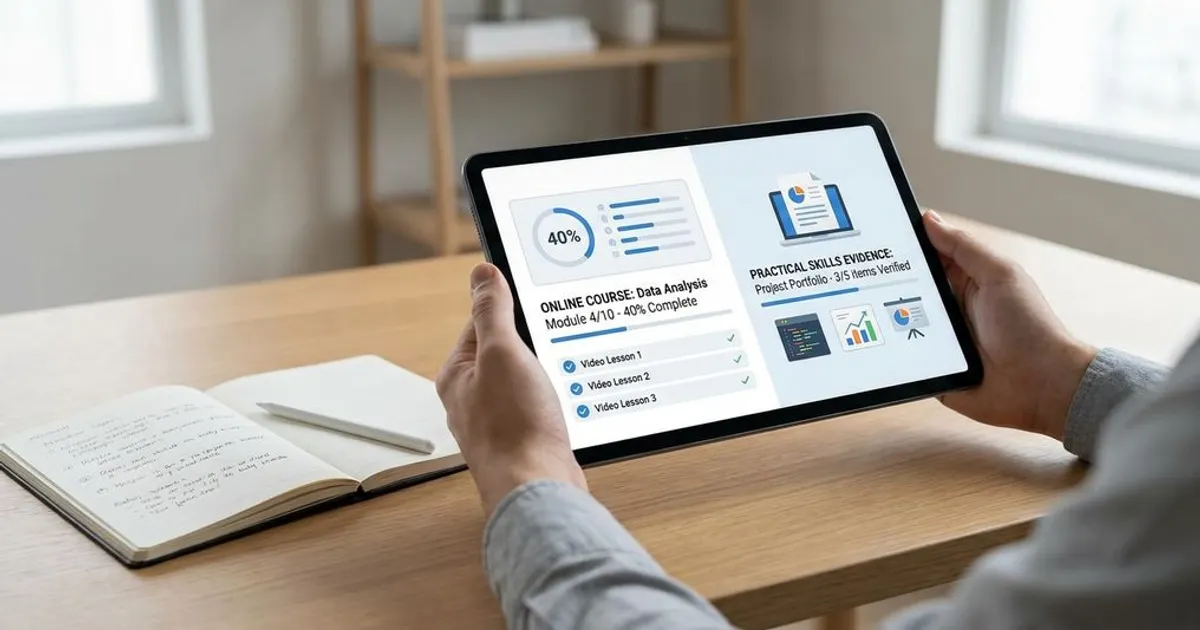
Whether you’re buried in assignments or buried in meetings, striking a balance between work and personal life isn’t a luxury—it’s the only way to stay healthy, productive, and mentally sharp. Both students and professionals face competing demands, often pushing past burnout before realizing something’s off. The good news is that balance isn’t about perfection or symmetry—it’s about daily, practical adjustments that support long-term success. This article walks you through how to make those adjustments with purpose and strategy, using real-world tools and data-backed habits that hold up under pressure.
Why Balance Should Be Your Priority
When you put everything into work or study, you may feel like you’re getting ahead—but your body and mind keep the score. According to recent studies published in medical journals, chronic stress from poor balance has been directly tied to anxiety, sleep disturbances, and weakened cognitive function. Students working part-time while attending school have seen a measurable decline in academic performance when rest and recovery aren’t prioritized. Meanwhile, professionals who don’t set limits often report lower job satisfaction and increased health issues.
This isn’t about doing less—it’s about doing things in a smarter, more sustainable way. When you intentionally plan your day to include rest, personal time, and meaningful relationships, your performance improves, your mood stabilizes, and you become more resilient under pressure. Time for recovery isn’t idle; it’s a vital part of how high performers stay consistent and engaged.
Why Students Struggle with Balance
Students often believe they have to trade well-being for ambition. Between part-time jobs, internships, exams, and extracurriculars, your schedule can feel packed to the point of collapse. One survey from the UK showed that over 60% of university students are now working longer hours than before—and it’s impacting both academic outcomes and mental health. Balancing school with work isn’t impossible, but it does require structure.
If you’re in this boat, your first move should be to audit your week. Write down your core academic commitments, work hours, and daily non-negotiables like meals and sleep. Once you can see the patterns, look for dead time, inefficient transitions, and multitasking traps. You’ll often find that balance doesn’t require fewer tasks—it just requires smarter sequencing. Tackling high-focus work when your energy peaks and reserving lighter tasks for low-energy periods can instantly improve your rhythm.
Pressure Points in the Professional World
Professionals face different but equally intense pressure. The “always-on” culture in many jobs blurs the lines between work and personal life, especially with digital tools making it easy to reply to emails at 11 p.m. A recent study from the UK showed that hybrid workers who set physical and psychological boundaries—like turning off notifications or using a dedicated workspace—experienced better sleep and less burnout.
If you’re a working adult, you’ve probably heard the buzz around flexible work schedules, but flexibility means nothing without accountability to your own limits. That means actively protecting personal time the same way you’d defend a meeting with a boss. It also means modeling healthy balance in your own behavior—leaving work on time, taking lunch away from your screen, and not glorifying overwork. These small actions don’t just protect your mental health—they influence your team, set better norms, and create a more productive environment.
Routines that Keep You Grounded
Balance starts with habit-building. Use time-blocking techniques to schedule both work and non-work time. Breaks aren’t bonuses—they’re built into your success strategy. A 90-minute deep focus block followed by a 15-minute recharge can dramatically increase your output without draining your energy. And while it’s tempting to “push through,” fatigue reduces the quality of your decisions and lengthens task time.
For students, using tools like Pomodoro timers or campus study apps can make it easier to build sustainable study sessions without overload. For professionals, sticking to a structured morning routine—one that doesn’t start with emails—can keep you in control of your day rather than reacting to it. Create intentional transitions between work and rest, and treat them as seriously as any deadline.
The Role of Boundaries
You won’t find balance without boundaries. Boundaries aren’t restrictions—they’re rules that make success repeatable. That might mean saying no to a second shift at work or not answering study group texts after 9 p.m. You don’t need to apologize for honoring your limits. In fact, when you do, you become more dependable because you’re operating from stability instead of burnout.
Think of balance as a budget. If every commitment is a withdrawal on your energy, then boundaries are your savings account. You might have to turn down some opportunities or social invites, but that’s the price of performing consistently. You can’t be your best if you’re constantly playing catch-up or breaking promises to yourself.
External Support Makes a Difference
No one balances it all alone. Students should look at their university’s resources—mental health services, academic advisors, tutoring centers, and even on-campus jobs that align with your schedule. These systems are designed to help you succeed without running yourself into the ground.
Professionals can tap into company programs like wellness initiatives, mental health days, or even flexible work requests. But more importantly, start real conversations with managers or peers about sustainable workloads. Balance isn’t just a personal mission—it’s a cultural shift that starts with open discussion and honest expectations.
Adapting When Life Gets Messy
Your version of balance will change. You might get a new role, face a personal challenge, or take on an intensive class. When that happens, don’t panic—reassess. Just because something worked last semester or last quarter doesn’t mean it works now. That’s not failure. It’s just time to re-balance.
You’ll get the best results when you stay responsive instead of rigid. Make small adjustments, build in buffer zones, and give yourself grace. Real balance is about knowing when to push, when to pause, and how to realign your routine with what matters most in this moment—not last month.
Top Reasons to Prioritize Work-Life Balance
- Improves focus and long-term performance
- Reduces mental and physical health risks
- Builds resilience and emotional regulation
- Strengthens relationships and social support
- Encourages smarter time and energy use
In Conclusion
Work-life balance isn’t a slogan—it’s a habit that shapes your daily experience and long-term success. Whether you’re a student managing lectures and part-time work or a professional navigating deadlines and personal responsibilities, your ability to create sustainable systems will determine how far you go—and how well you feel along the way. You don’t need a perfect plan. You just need a consistent one, built on purpose and protected with clarity.
We partner with forward-thinking companies to implement humane workplace policies. Explore our corporate wellness initiatives: suneetsingalgiving.com